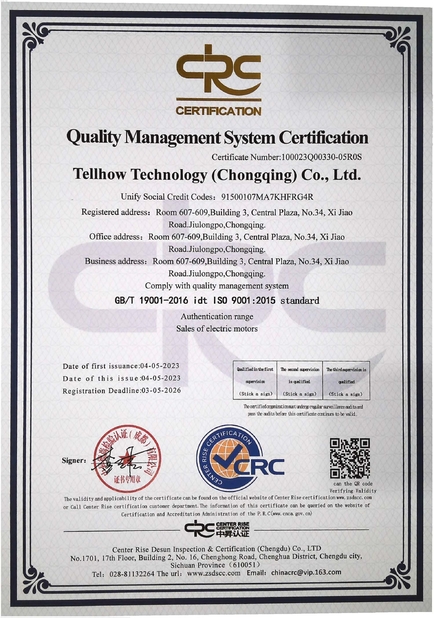
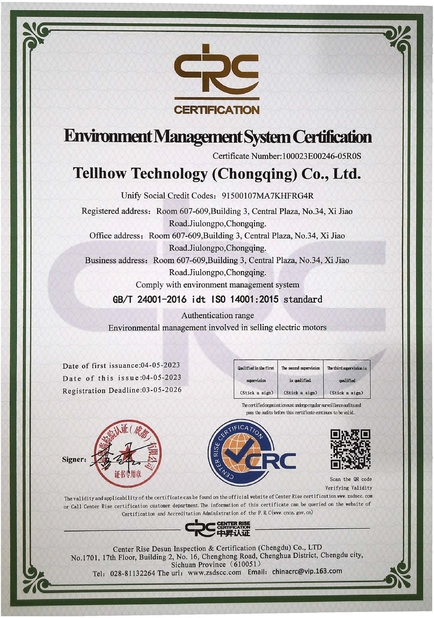
تصور کنید کارخانه هایی بدون موتورهای الکتریکی ماشین آلات خاموش، خطوط تولید یخ زده، کل سیستم های صنعتی فلج شده اند.در قلب این انرژی مکانیکی موتور سه فاز محرک است، به درستی به عنوان "قلب صنعتی" به دلیل قابلیت اطمینان، کارایی و هزینه های موثر در قدرت برنامه های بی شماری نامیده می شود. اما چگونه این شگفتی فن آوری کار می کند،و چه ملاحظاتی انتخاب آن را هدایت می کندما مکانیک پشت این اسب کار ضروری را بررسی می کنیم.
یک موتور سه فاز چیست؟
اساساً یک موتور سه فازی انرژی الکتریکی را با استفاده از سه جریان متناوب به چرخش مکانیکی تبدیل می کند. بر خلاف موتورهای هم زمان که نیاز به تحریک خارجی دارند،جریان روتور آن توسط میدان مغناطیسی چرخش استاتور ایجاد می شود، بنابراین اصطلاح "تحرک"." این مکانیسم خودپذیر نیاز به برس ها یا کاموتاتورها را از بین می برد و دوام را افزایش می دهد.
دو معماری: طراحی روتور عملکرد را تعیین می کند
طبقه بندی بر اساس ساخت روتور است که دو نوع اصلی با مشخصات عملیاتی متمایز را به وجود می آورد.
موتورهای قفس سنجاب: اسب کار صنعت
در کاربردهای صنعتی، موتورهای قفس سنجاب دارای روتورهایی با میله های آلومینیوم یا مس جاسازی شده و توسط حلقه های پایانی که شبیه قفس های جوندگان هستند، شارژ کوتاه می شوند. مزایای آنها عبارتند از:
-
بهره وری انرژی:بهره وری عملیاتی بالا با حداقل نیاز به نگهداری.
-
عملکرد قوی:ایده آل برای کاربردهای با سرعت ثابت مانند فن ها، کمپرسورها و پمپ ها
موتورهای روتور زخم: متخصصان تورک بالا
مجهز به روتورهای پیچ و تاب متصل به مقاومت های خارجی از طریق حلقه های لغزنده، این موتورها در جایی که شروع سخت یا کنترل سرعت بسیار مهم است، برجسته می شوند:
-
چرخش شروع فوق العاده:از مدل های قفس سنجاب در سناریوهای سنگین کار می کند.
-
سرعت تنظیم شده:اصلاح مقاومت خارجی امکان تنظیم دقیق RPM را فراهم می کند.
-
کاربردهای معمول:جرثقیل ها، لیفت ها و آسانسورها که نیاز به عملکرد متغیر دارند.
اصول کار: الکیمی الکترومغناطیسی
قانون فارادی در مورد تحرک عملکرد را کنترل می کند: جریان های استاتور سه فاز یک میدان مغناطیسی چرخان را تولید می کنند و جریان های روتور را ایجاد می کنند که زمینه های مخالف را تولید می کنند.تعامل حاصل از آن باعث ایجاد تورک می شود.در این حالت، چرخش روتور کمی کندتر از سرعت همگام می شود. این "زولف" باعث ایجاد جریان می شود. همگام سازی باعث متوقف شدن تولید گشتاور می شود.
مزایای عملکرد
برتری صنعتی ناشی از ویژگی های کلیدی است:
- بهره وری بالاتر از جایگزین های تک فازی
- افزایش قدرت برای بهینه سازی شبکه
- چرخش شروع قابل توجه (نوع روتور پیچ)
- سرعت ثابت در شرایط نوسانات بار
- حداقل الزامات نگهداری
استراتژی های کنترل سرعت
در حالی که دستگاه های با سرعت ثابت ذاتی، روش های تنظیم چندگانه وجود دارد:
-
کاهش ولتاژ:ولتاژ ورودی را برای کاهش RPM کاهش می دهد
-
درایو های فرکانس متغیر (VFD):فرکانس تغذیه را برای کنترل دقیق تغییر می دهد
-
تغییر قطب:تنظیمات پیچ و تاب استاتور را تغییر می دهد
-
مقاومت روتور (فقط روتور پیچ):مقادیر مقاومت خارجی را تنظیم می کند
در میان این موارد، VFD ها موثرترین راه حل معاصر را نشان می دهند.
معیارهای انتخاب
انتخاب مطلوب موتور نیاز به ارزیابی دارد:
- الزامات قدرت و سرعت
- ویژگی های بار (قلب چرخش شروع، ظرفیت بیش از حد بار)
- شرایط محیط زیست (درجه حرارت، رطوبت، آلاینده ها)
- اهداف بهره وری انرژی
- محدودیت های بودجه
ملاحظات اقتصادی
قیمت بسته به ظرفیت و ویژگی ها متفاوت است:
- واحدهای کوچک (0.5-3 اسب): 60 تا 180 دلار
- متوسط (5 تا 20 اسب): 240 تا 900 دلار
- در مقیاس صنعتی (بیش از 50 اسب): 1200 دلار
محدودیت ها
با وجود همه جا بودن، برخی از معایب همچنان وجود دارد:
- پیچیدگی تنظیم سرعت
- جریان های بالا در هنگام راه اندازی
- چرخش شروع متوسط (نوع قفس سنجاب)
- از دست دادن انرژی ناشی از لغزش
نتیجه گیری
موتورهای محرک سه فاز در صنایع ضروری باقی می مانند، ترکیب سادگی محکم با عملکرد قابل سازگاری.تکامل مداوم آنها اطمینان از اهمیت پایدار در تأمین زیرساخت های جهانی را تضمین می کند.


 پیام شما باید بین 20 تا 3000 کاراکتر باشد!