logo
تلفن:
Tellhow Technology (Chongqing) Co., Ltd.
موتور ما، انرژی شما را صرفه جویی می کند، موفقیت شما را هدایت می کند!
خانه وبلاگ

Advancements in Synchronous Motor Technology Boost Industrial Efficiency

چت IM آنلاین در حال حاضر
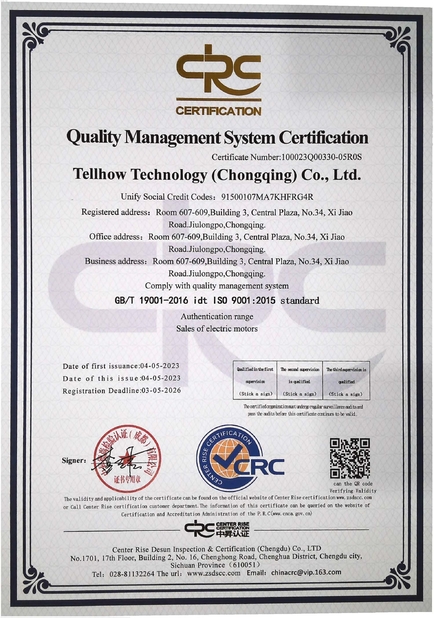
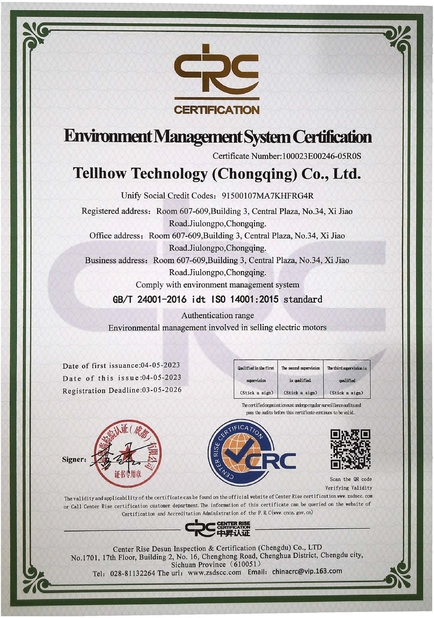
گواهی
چین Tellhow Technology (Chongqing) Co., Ltd. گواهینامه ها
نظرات مشتریان
موتور با صدای کم کاملاً کار می‌کند و خدمات راهنمایی نصب ریموت ویدئویی عالی است. رهبران ما بسیار راضی هستند.

—— میشا گلادوشنکو

این کارخانه در مورد فناوری بسیار دقیق و جدی است و می تواند پیشنهادات بسیار علمی برای تنظیم جزئیات موتورها با توجه به محیط استفاده ما ارائه دهد. این یک شرکت بسیار قابل اعتماد است.

—— نور ریکی آمالیا

شرکت وبلاگ
Advancements in Synchronous Motor Technology Boost Industrial Efficiency
آخرین اخبار شرکت Advancements in Synchronous Motor Technology Boost Industrial Efficiency

In modern industrial systems where precision and reliability are paramount, synchronous motors have emerged as the backbone of countless automation processes. These electromechanical workhorses maintain an exact correlation between their rotational speed and the power supply frequency, delivering unparalleled consistency in demanding applications.

The Unwavering Constant: Synchronous Motor Fundamentals

Unlike their induction motor counterparts that experience speed slip under load variations, synchronous motors maintain constant rotational velocity regardless of mechanical demands. This intrinsic speed regulation stems from their fundamental operating principle: rotor rotation synchronizes precisely with the stator's rotating magnetic field.

The mathematical relationship governing this behavior is expressed by the synchronous speed formula:

Ns = 120 × f / P

Where Ns represents synchronous speed in RPM, f denotes supply frequency in Hertz, and P indicates the number of motor poles. This precise correlation enables engineers to design systems with predictable, stable rotational characteristics essential for quality control in manufacturing processes.

Engineering Marvel: Operational Principles

Synchronous motors achieve their remarkable performance through carefully orchestrated electromagnetic interactions:

  1. Stator Field Generation: Three-phase AC power creates a rotating magnetic field within the stator windings, establishing the motor's fundamental operating frequency.
  2. Rotor Excitation: Either permanent magnets or DC-fed windings establish the rotor's magnetic field, with different configurations (salient-pole or cylindrical) optimized for specific applications.
  3. Magnetic Synchronization: The interaction between stator and rotor fields produces a locking torque that maintains perfect rotational alignment, eliminating speed variation.
Structural Design Variations

Manufacturers have developed multiple synchronous motor configurations to address diverse industrial requirements:

  • Salient-Pole Designs: Feature protruding magnetic poles ideal for low-speed, high-torque applications such as hydroelectric generators.
  • Cylindrical Rotor Motors: Utilize smooth rotor construction for high-speed operation in turbine generators and precision machinery.
  • Permanent Magnet Synchronous Motors (PMSM): Incorporate high-performance magnets for superior efficiency in servo systems and electric vehicles.
Starting Methodologies

Unlike self-starting induction motors, synchronous variants require specialized starting mechanisms:

  • Damper Windings: Temporary squirrel-cage windings enable induction motor-style starting before transitioning to synchronous operation.
  • Pony Motor Systems: Small auxiliary motors bring the main unit to synchronous speed before engagement.
  • Variable Frequency Drives (VFD): Modern solution that gradually increases supply frequency for smooth acceleration.
Industrial Applications

The unique characteristics of synchronous motors make them indispensable across multiple sectors:

  • Manufacturing: Powering conveyor systems, extruders, and packaging equipment where speed consistency ensures product uniformity.
  • Energy Generation: Serving as the core component in power plant generators converting mechanical energy to electricity.
  • Infrastructure: Driving pumps and compressors in water treatment and HVAC systems with reliable operation.
Performance Considerations

While offering significant advantages, synchronous motors present specific engineering tradeoffs:

Advantages:

  • Absolute speed consistency regardless of load fluctuations
  • Adjustable power factor capabilities
  • Superior efficiency in high-power applications

Limitations:

  • Requirement for auxiliary starting systems
  • Higher initial capital costs compared to induction motors
  • Sensitivity to power supply frequency variations
Future Prospects

Advancements in power electronics and control systems continue to expand synchronous motor applications. Emerging sectors like renewable energy integration, industrial robotics, and smart grid technologies increasingly rely on these precision power transmission solutions. The ongoing development of high-performance permanent magnet materials promises to further enhance efficiency and power density in next-generation designs.

For industrial engineers and automation specialists, understanding synchronous motor technology remains crucial for optimizing production systems and maintaining competitive advantage in precision manufacturing environments.

میخانه زمان : 2026-07-11 00:00:00 >> لیست وبلاگ
اطلاعات تماس
Tellhow Technology (Chongqing) Co., Ltd.

تماس با شخص: Mr. Alex Yip

تلفن: +86 2386551944

ارسال درخواست خود را به طور مستقیم به ما
Tellhow Technology (Chongqing) Co., Ltd.
اتاق 607-609، ساختمان 3، مرکز پلازا، شماره34، جاده شي جياوا، چونگ چينگ، چين
تلفن:86-155-23661144
سایت موبایل سیاست حفظ حریم خصوصی | چین خوب کیفیت موتور AC ولتاژ بالا تامین کننده. © 2022 - 2026 Tellhow Technology (Chongqing) Co., Ltd.. All Rights Reserved.